
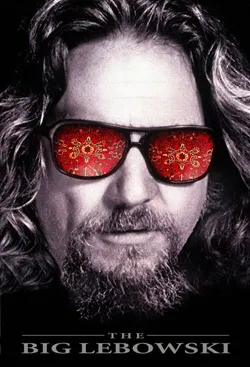
It has been years–if not decades–since I last watched The Big Lebowski. Quite frankly, they don’t make films like this anymore.
On the most surface level, it is a fascinating, surreal story about a washed-up hippie who falls into trouble due to the debts of a millionaire who shares the same name as him.
But, on a deeper level, it is a great study of social forces at play in the United States at the moment the Cold War ended. Jeff Lebowski (aka the Dude) was a youth activist in the 1960s. At one point, he says that he was a member of the Seattle Seven, an anti-war organization that some characterize as responsible for violent protest.
At the same time, his closest friend, Walter, is an embittered Vietnam War veteran, and he is at ease hurling racist epithets at Saddam Hussein, is verbally and physically violent, and always has some insane plan for the way things could go (but never actually works).
Then there’s Donny, who might just represent the politically centrist American. He never really knows what’s happening, and he dies of a heart attack at the end of the film.
Side character include “the Big [Jeff] Lebowski,” who isn’t a millionaire in his own right: he inherited all of his money from his late wife, although he claims to be a self-made man; Maude Lebowski, a classically liberal, feminist elite who does all sorts of abstract art and likes to talk about sexuality; Bunny Lebowski, a Midwestern girl who winds up doing sex work in Los Angeles; and the German nihilists, who could be a stand-in for any political “-ism.”
These forces conflict with each other, but–for the most part–they are able to somehow coexist. There is friction and discomfort, but the only group that is eradicated the German nihilists. Post-Cold War America will be a post-ideological space, after all, and the only thing permissible is dissent within the hegemonic liberal order.
The Coen brothers don’t offer answers to the dilemmas they provide; the characters are instead archetypes for us to chew on.
Nevertheless, the most compelling part of the movie is that it is funny. It is so funny. When I was first beginning to use websites like Reddit, I remember people often sharing the Youtube clip of the very first scene: “Where’s the money Lebowski?” I also remember, as an early teen, one of my best friends had the sound of Walter smashing a red Corvette (including his dialogue).
It puts me out there knowing the Dude is out there, abiding. He watches out for all of us.